
A dc injection brake is an electrical component that sends a dc voltage into a motor that is rated to operate on an ac voltage. The result of this action stops the motor from spinning.
How It Works
Injecting a dc voltage into an ac motor has the opposite effect compared to an ac voltage, a dc signal can force an ac motor to slow down and come to a complete stop.
If we think about how a 3 phase induction motor works, the rotor in the middle spins when ac power is sent to the motor. It spins because a 3 phase ac signal causes a rotating magnetic field in the stator which in turn causes a magnetic field in the rotor via induction. These two magnetic fields work in conjunction with each other to make the motor spin. An ac signal creates a rotating magnetic field in the motor because each phase that is connected to the motor magnetises a different winding in the stator at a different time, think of it like waves of current that hit different windings over and over in a circle.
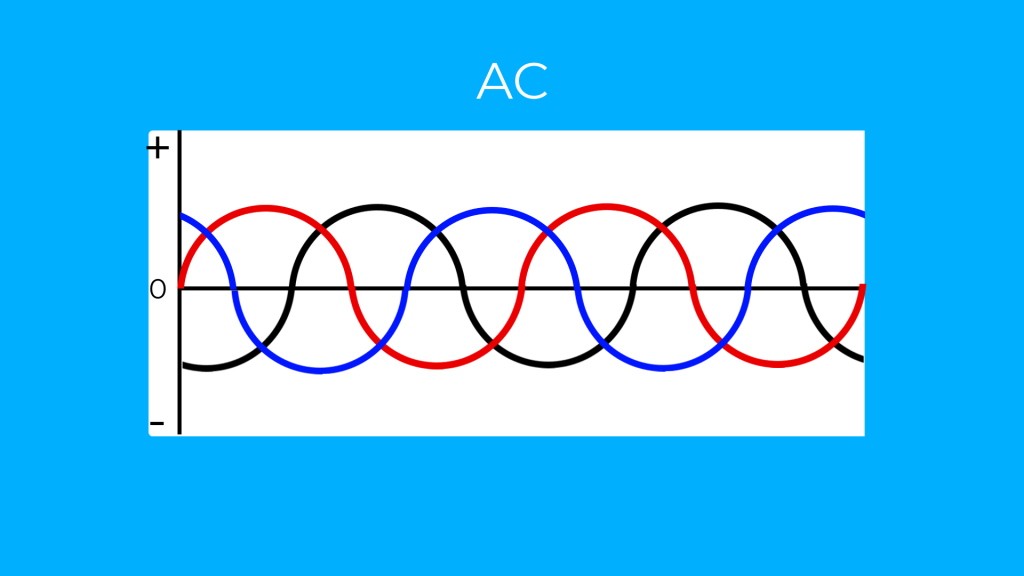
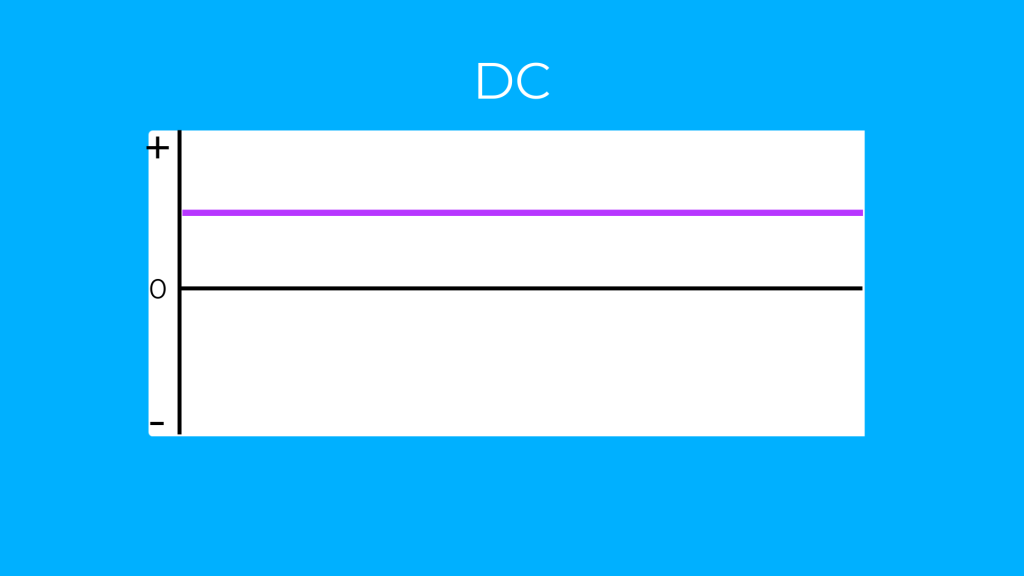
So how then does dc stop an ac motor? Well it’s quite simple. If dc is injected into a 3 phase ac motor, the windings in the stator are now hit with a direct current which causes some or all of the windings to now become stationary magnets (so to speak), and there is no rotating magnetic field. This effect in turn slows down the rotor and holds it in place because the magnetic field in the stator wants the rotor to do as it does and stay stationary.
To Recap
A dc injection brake is a component that sends a dc signal into an ac motor to force it to stop. An ac signal creates a rotating magnetic field in a motor which causes a motor to physically spin. But a dc signal on the other hand creates a stationary magnetic field which holds an ac motor in a stationary position.
Learn more
Fundamentals of Electrical Controls
3 Phase Motor Control Bootcamp
Learn Variable Frequency Drives